
Aaron Foyer
Director, Research
Aaron Foyer
Director, Research
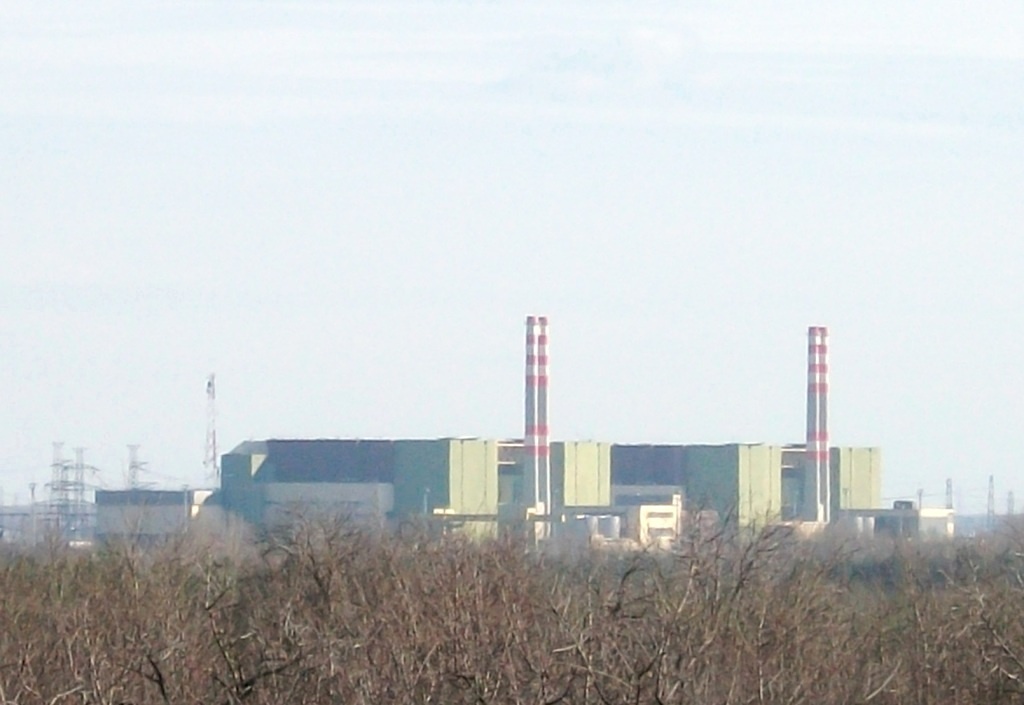
Europeans are finally getting the hot, dry summer they never get, and it’s breaking the power grid.
What happened: Hungary’s Paks Nuclear Power Plant, which supplies nearly half of the country’s electricity, was throttled to as low as 240 megawatts of its two-gigawatt capacity yesterday, the result of low water levels in the Danube.
The river had fallen to a record low of 131 centimeters at Paks, barely reaching the plant’s water intake pumps. Prime Minister Péter Magyar said on X at 1:30 a.m. yesterday that the plant "came within a couple of millimeters of a complete shutdown,” which would have been its first in the plant's 44-year history.
The country’s capital of Budapest is in the middle of a heat wave and is forecast to hit highs of 40 degrees Celsius (104 degrees Fahrenheit) each of the next three days.
While gelato sales are thriving, power plants are melting under the same heat. Across summer 2026, 15 reactors at six European nuclear plants have either been curtailed or shut down and one of the summer's hottest months is still ahead.
France’s EDF cut about 6.4 gigawatts of nuclear power on a single day last month, equivalent to 14% of the country’s morning demand. The French utility is legally obligated to cut nuclear output when river temperatures exceed ~28 degrees Celsius (82°F).
Hydro is also struggling: Yodeling throats are extra dry this summer as Alpine hydro flows near all-time lows from the summer drought. Michael Strugl, CEO of Austria's Verbund, told Euronews yesterday the company is “simply missing one-third of the water volume that [their] hydropower plants would normally process.”
And a record-low snowpack from one of Norway's driest winters ever left the nation with a ~20% deficit in hydro output, forcing government to impose export limits on electricity. The Scandinavian country accounted for a fifth of all European hydropower generation last year.
Even thermal plants are being affected: Five gas plants in the UK had to cut a combined 2.5 gigawatts of generation due to “ambient” conditions in June, with high air temperatures reducing the output of gas turbines and how much electricity transmission lines can carry.
Because of the reduced output from key power plants across the continent, everyone’s electric bills suddenly look like they’re meant for someone in Monaco.
Power prices in Hungary hit €263 per megawatt-hour during the Paks squeeze, and it’s estimated the total energy crisis could cost the country up to €546 million in extra energy and import costs.
In the June heatwave, Germany was hit with day-ahead peak power prices of €210 per megawatt-hour, the highest since the 2022 energy crisis. A 350.org analysis put the added energy costs at €700 million between Germany and France for that single week.
Other issues: Spain and France are also struggling with wildfire smoke. Over 171,000 hectares have burned in Spain so far this year, roughly 80% of the country’s 20-year average and one of the highest on record. In France, fire emissions are the highest of the last 24 years.
Insights for an evolving energy landscape delivered to your inbox.